
The Tuscan Olive story
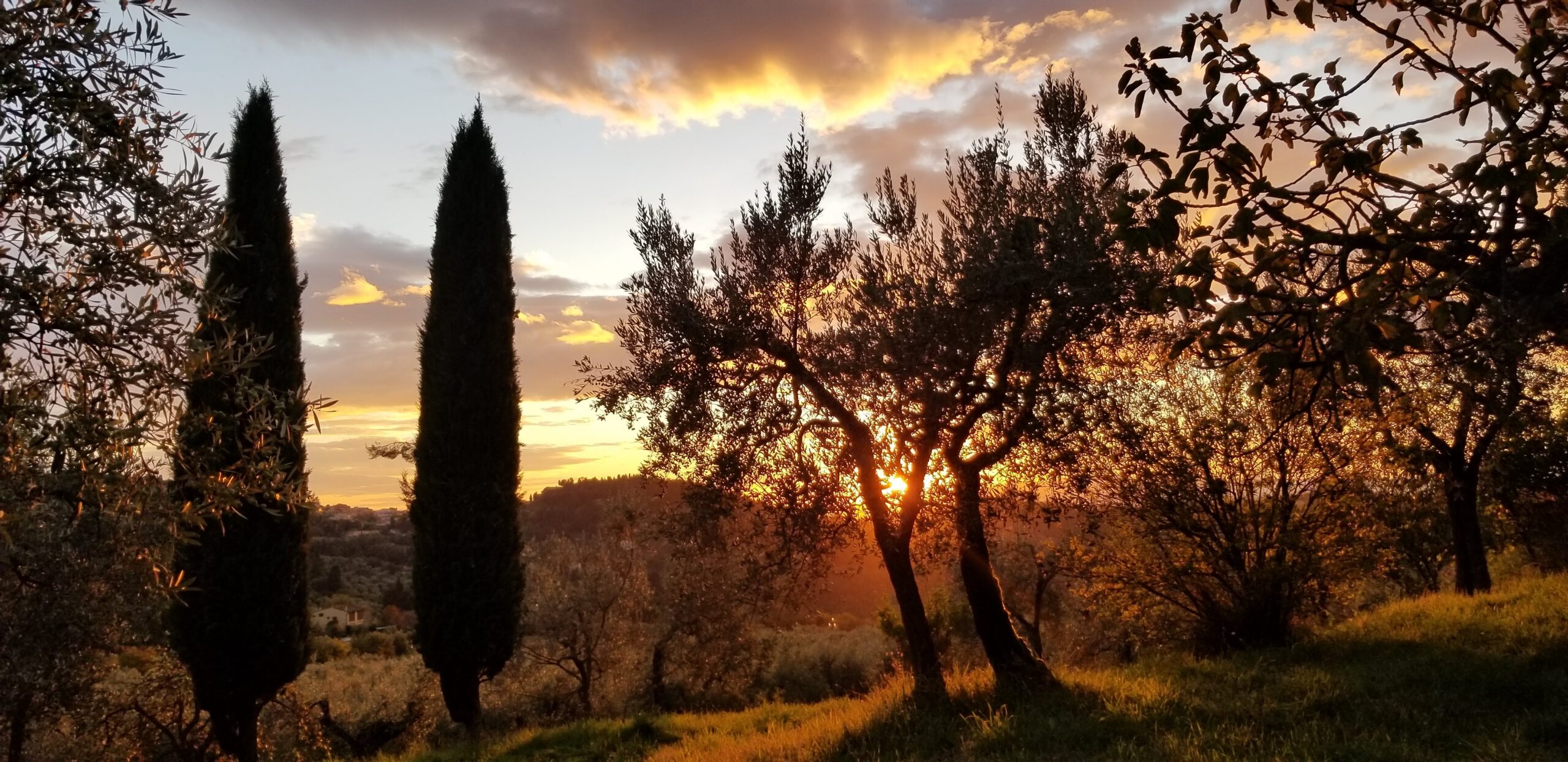
Tuscany. A land where rolling hills meet golden sunlight, where olive trees stand as silent witnesses to centuries of tradition. Here in the heart of Italy, olive oil is not just a condiment—it’s a culture, a livelihood, and a symbol of harmony between people and nature.
A Journey Through Time: The Ancient Roots of Tuscan Olive Oil
The story of olive oil in Tuscany begins thousands of years ago, with the Etruscans. These ancient people, long before the Romans arrived, were among the first to cultivate olive trees in the region. Olive oil was sacred to them—used for nourishment, healing, ceremonies, and trade.
As centuries passed, the Romans expanded olive cultivation across Tuscany’s hills, perfecting oil-pressing techniques and spreading the fame of Tuscan oil far and wide. Medieval monasteries preserved these traditions, making olive oil a staple of local life and a prized export. By the Renaissance, Tuscan olive oil had become a cornerstone of Italian cuisine and commerce.
The Tuscan Landscape: What Makes It Unique
Walk through a Tuscan olive grove and you’ll understand why this region produces such extraordinary oil. The sun-drenched hills, rocky soil, and cooling breezes from the Tyrrhenian Sea create a unique microclimate—perfect for olive trees.
Unlike the vast industrial groves seen in some parts of the world, Tuscan olive trees are nurtured on smaller, often family-run farms. Many groves are composed of gnarled, centuries-old trees, their roots deep in mineral-rich earth.
The most common olive varieties—Frantoio, Leccino, Moraiolo, and Pendolino—are native to Tuscany and adapted to its terroir. Each tree, each grove, and each harvest brings subtle variations, making every bottle of Tuscan olive oil a unique expression of its land.
Tradition Meets Innovation: How Tuscan Olive Oil is Made
Tuscan farmers have a deep respect for tradition, yet they embrace innovation where it counts. Olives are harvested mainly by hand, ensuring only the ripest fruit. The swift journey from tree to mill—often less than 24 hours—preserves the olives’ delicate flavors and nutrients.
Pressing is done with cold-extraction methods, meaning the oil is never heated above 27°C. This gentle technique protects precious polyphenols and ensures a vibrant, fruity taste. Strict standards require that extra-virgin olive oil from Tuscany must be mechanically extracted, without use of chemicals or excessive heat.
Many producers are organic or use sustainable practices, cherishing the natural world that gives so much in return. Certification labels such as IGP (Indicazione Geografica Protetta) guarantee authenticity, origin, and quality.
The Taste of Tuscany: What Sets It Apart
Take a sip of genuine Tuscan extra-virgin olive oil and you’ll be greeted by a symphony of flavors: grassy notes, hints of artichoke and green almond, a little peppery kick, and that signature bitterness that lingers pleasantly.
Tuscan oil is celebrated for its boldness—some say it “bites back.” This is due to its high polyphenol content, natural antioxidants that contribute to both flavor and health benefits. The oil’s intense green-gold color and complex aromas make it a favorite for drizzling over bruschetta, salads, grilled vegetables, and—of course—Tuscany’s revered bean soups.
A Health Elixir from the Hills
Tuscan olive oil is more than delicious—it’s healthy. Rich in monounsaturated fats, polyphenols, vitamin E, and anti-inflammatory compounds, it supports heart health, brain function, and longevity. No wonder the Mediterranean diet, with olive oil at its core, has been celebrated for centuries.
Local farmers often joke that olive oil runs in their veins. For many, a spoonful of freshly pressed oil is the best medicine of all.
More Than Food: Olive Oil in Tuscan Life and Culture
Olive oil weaves its way into every aspect of Tuscan culture. Each autumn, families gather for the olive harvest—the “raccolta delle olive”—an occasion filled with laughter, community meals, and celebration. This connection to the land is deeply healing, a reminder of our bond with nature.
In Tuscan homes, a bottle of local olive oil graces every table. It’s a gift to share, a tradition to pass on, and a bridge between generations.
Bringing Tuscany Home
When you choose Tuscan olive oil, you’re tasting more than just the fruit of the tree. You’re experiencing the patience of the farmer, the wisdom of centuries, and the incomparable flavors of a landscape shaped by sun, soil, and love.
So, next time you drizzle that rich, green-gold elixir on your salad or warm bread, take a moment to savor the story in every drop. Tuscany invites you to its table—will you join?
Did you know?
Tuscan olive oil’s signature “peppery” finish comes from natural antioxidants called polyphenols.
“Have you tasted Tuscan olive oil?
Share your favorite recipes or Tuscan food memories in the comments below!”