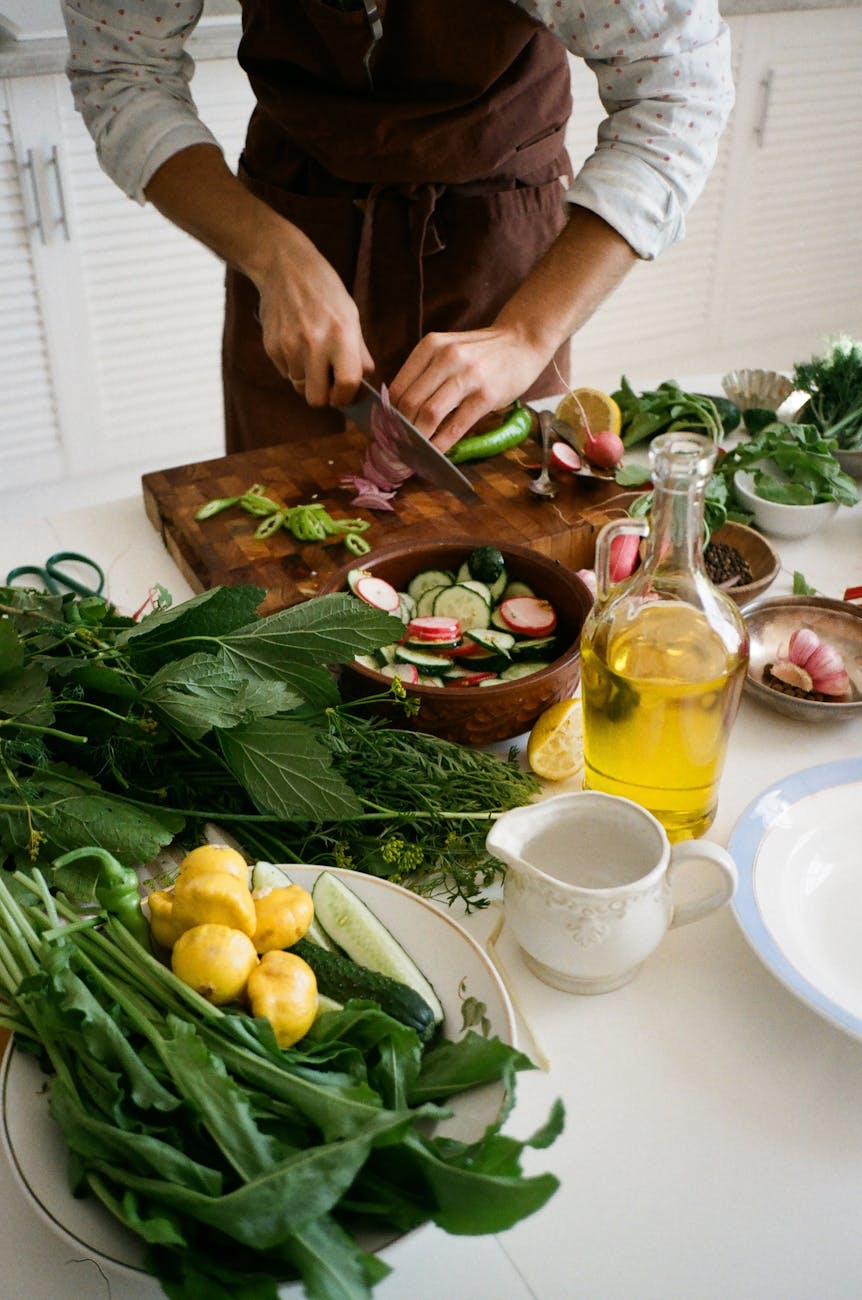

Olive oil in Kitchen
Whether you’re a Tuscan chef, passionate home cook, or simply looking to boost everyday wellness, olive oil is your golden ticket. Revered since ancient times and central to Mediterranean cuisine, olive oil is more than just fat—it’s a symbol of tradition, health, and artistry. But like all good things, using olive oil well means knowing what to do—and what to avoid. Let’s dive into the delicious world of olive oil cooking, with all the tips and tricks to keep your meals vibrant, nutritious, and authentically Italian.
Olive Oil Dos: How to Make Your Dishes Shine
1. Do Choose Extra Virgin Olive Oil for Raw Dishes
When flavor matters, reach for extra virgin olive oil. Its fresh, fruity, and peppery notes are perfect for salads, bruschetta, and drizzling over grilled vegetables or fresh cheese. Raw dishes let olive oil’s character shine: think Caprese salad or classic panzanella.
SEO Keywords: extra virgin olive oil, raw dishes, salad dressing, Tuscan cuisine, olive oil flavor
2. Do Use Olive Oil for Sautéing and Medium-Heat Cooking
Not just for dressings, olive oil works happily for sautéing garlic, onions, and vegetables. The smoke point of quality extra virgin olive oil sits around 190-210°C (375-410°F). Mediterranean chefs use it for stews, pasta sauces, and even baking!
SEO Keywords: sautéing with olive oil, smoke point, Mediterranean cooking, olive oil nutrition, healthy cooking oil
3. Do Experiment with Infused Olive Oils
Take your kitchen to the next level! Infuse olive oil with rosemary, basil, chili, or lemon zest. These homemade blends are perfect for dipping bread, seasoning grilled meats, or topping roasted potatoes.
SEO Keywords: infused olive oil, herbal olive oil, lemon olive oil, flavored olive oil recipes
4. Do Store Olive Oil Correctly
Light, heat, and air can spoil olive oil’s delicate flavor. Always keep your bottle sealed, and store it in a cool, dark cupboard—never beside the stove. Buy olive oil in small quantities and use it within a few months for best results.
SEO Keywords: how to store olive oil, olive oil freshness, best olive oil storage
5. Do Use Olive Oil in Baking and Desserts
Surprise! Olive oil is fantastic in cakes, cookies, and even gelato. It brings moisture and a fruity note to chocolate cake or orange biscotti. Try swapping butter for olive oil in your next baking adventure.
SEO Keywords: baking with olive oil, olive oil desserts, olive oil cake, healthy baking
Olive Oil Don’ts: Mistakes to Avoid for Perfect Results
1. Don’t Overheat Olive Oil
When olive oil smokes excessively, it loses nutrients and flavor. Avoid deep-frying or high-heat grilling with extra virgin—use refined olive oil for those needs, or stick to lower temps.
SEO Keywords: olive oil smoke point, cooking temperature, olive oil nutrition loss
2. Don’t Use Old or Rancid Olive Oil
Freshness = flavor + health. Olive oil loses both as it ages. If your oil smells “off” or tastes bitter (not spicy), it’s past its prime—time to compost!
SEO Keywords: rancid olive oil, how to tell olive oil is bad, olive oil shelf life
3. Don’t Pour Olive Oil into Open Heat
For the best aromas and health benefits, add olive oil near the end of cooking, especially to soups, risotto, and stews. This locks in flavor and preserves extra virgin’s antioxidants.
SEO Keywords: when to add olive oil, finishing oil, preserve olive oil health benefits
4. Don’t Forget to Read Labels
Not all “extra virgin” oils are created equal. Choose local, cold-pressed, and transparent producers—like Olio Toscana! Look for harvest date, place of production, and certifications (IGP, DOP) to guarantee quality.
SEO Keywords: extra virgin olive oil certification, cold-pressed olive oil, buying olive oil, Tuscan olive oil
5. Don’t Be Shy: Taste Before You Use
Each olive oil has a story—peppery, grassy, floral, or buttery. Taste a spoonful before cooking, and match flavors to your dish. For delicate fish, use mild oil; for grilled meat, go bold.
SEO Keywords: olive oil tasting, pairing olive oil, olive oil for recipes
Creative Olive Oil Recipes to Try Tonight:
Tuscan White Bean Salad Drizzled with Fresh Olive Oil
Rosemary Olive Oil Focaccia
Lemon Olive Oil Cake
Grilled Eggplant with Garlic-Parsley Olive Oil
Classic Tomato Bruschetta with Early-Harvest Olive Oil
Why the Dos & Don’ts Matter
Olive oil is the soul of Tuscan cooking—and a wellness superstar. Scientific studies link extra virgin olive oil to heart health, cancer prevention, vibrant skin, and longevity. Cooking with olive oil is about honoring tradition, savoring nature’s gifts, and creating meals that feed the body and spirit.
Next time you reach for that bottle, remember: a touch of knowledge transforms every drop into magic.
Explore More at Olio Toscana
Discover our range of artisanal olive oils, learn about sustainable farming, and subscribe to our newsletter for more recipes, tips, and history straight from the Tuscan hills.
To experience or order the Mancini family olive oil, write an email to oliomancinifiesole@gmail.com or simply please click the button below: